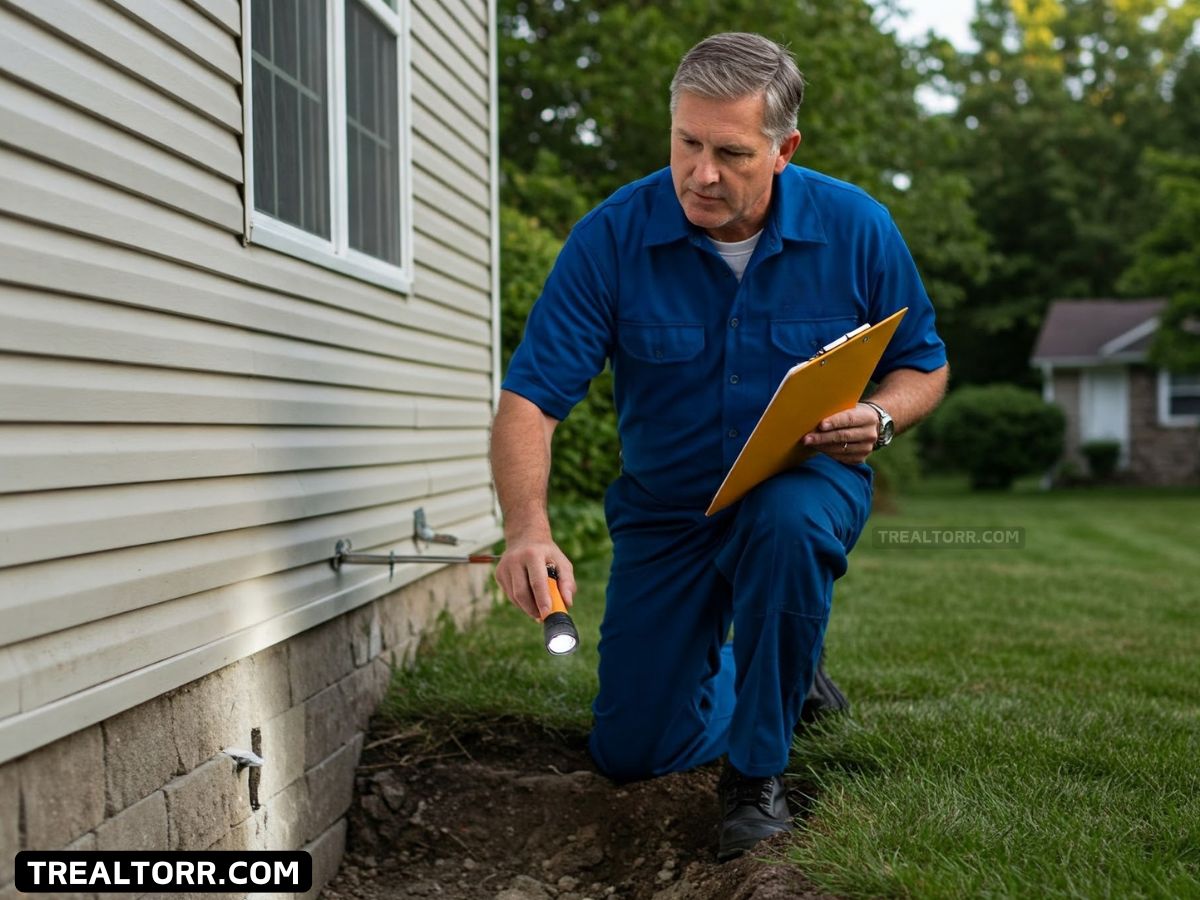
A home inspection can reveal problems that may affect a buyer’s decision, lender requirements, insurance, repair negotiations, or the final sale.
Most homes do not technically “pass” or “fail” a general home inspection. Instead, the inspector documents the condition of the home and points out safety concerns, defects, repairs, and systems that may need further evaluation.
If you are buying for the first time, you may also want to read our guide on tips for first-time homebuyers.
Here are common issues that can create problems during a home inspection.
Structural Problems
Structural issues can be serious because they may affect the safety, stability, and long-term value of the home.
- Foundation cracks or settling: Large cracks, uneven floors, sticking doors, or wall movement may point to foundation concerns.
- Roof damage: Missing shingles, leaks, sagging areas, damaged flashing, or old roofing materials can raise repair concerns.
- Poor drainage: Water pooling near the foundation can lead to moisture problems, settlement, mold, or basement issues.
If you are buying a property that may need work, read our article on the benefits and risks of buying a fixer-upper.
Electrical Issues
Electrical problems can be safety concerns, especially in older homes or homes with DIY wiring.
- Outdated wiring: Older wiring systems may require further review by a licensed electrician.
- Improper electrical panels: Overcrowded panels, double-tapped breakers, missing covers, or unsafe modifications can raise red flags.
- Non-grounded outlets: Older outlets may not meet modern safety expectations, especially in kitchens, bathrooms, garages, and exterior areas.
- Missing GFCI protection: Wet areas may need proper ground-fault protection for safety.
For general consumer safety information, you can review the Electrical Safety Foundation International’s guide on home electrical safety.
Plumbing Problems
Plumbing issues can lead to water damage, mold, high repair costs, and insurance concerns if they are ignored.
- Leaky or corroded pipes: Active leaks, water stains, corrosion, or patched pipes may need professional review.
- Water heater problems: Old age, poor installation, leaks, bad venting, or missing safety features can create concerns.
- Low water pressure: Low pressure may be minor, but it can also point to pipe restrictions, supply issues, or leaks.
- Drainage problems: Slow drains, sewer smells, or backup signs may require a plumber or sewer scope.
HVAC System Concerns
Heating and cooling systems are expensive to repair or replace, so inspectors often flag age, condition, and visible performance concerns.
- Non-functional heating or cooling: A system that does not turn on or cool/heat properly may require HVAC service.
- Old equipment: Older systems may still work, but buyers should understand remaining life and possible replacement cost.
- Ductwork problems: Leaks, disconnected ducts, poor insulation, or visible microbial growth can affect comfort and air quality.
- Poor maintenance: Dirty filters, clogged coils, and neglected service history can reduce system performance.
If you are estimating repair costs before buying, read our article on easy upgrades that can boost a home’s value.
Pest, Mold, and Moisture Issues
Moisture and pest problems can become expensive if they damage wood, insulation, drywall, flooring, or indoor air quality.
- Termite damage: Damaged wood, mud tubes, or pest activity may require a termite inspection.
- Mold growth: Visible mold or musty smells may point to moisture problems that need correction.
- Rodent activity: Droppings, nesting materials, chewed wires, or attic damage may need pest control and cleanup.
- Water intrusion: Stains, soft drywall, basement dampness, or attic moisture can point to leaks or drainage issues.
The EPA provides information on mold and moisture in homes.
Safety Hazards
Safety issues can be especially important because they may affect the buyer’s ability to move in comfortably or meet lender requirements.
- Lead-based paint: Homes built before 1978 may have lead-based paint risks.
- Asbestos concerns: Older homes may contain asbestos materials that require proper testing and handling.
- Radon levels: High radon levels may require mitigation.
- Missing smoke or carbon monoxide detectors: Missing or non-working alarms are common safety issues.
- Stair, deck, or railing problems: Loose railings, unsafe steps, or weak decks can create fall hazards.
You can review EPA guidance on radon and lead safety.
General Maintenance Issues
Small maintenance problems may not kill a deal by themselves, but many small issues can make a home feel neglected.
- Peeling paint: This can be a bigger issue for FHA, VA, or USDA loans, especially on older homes.
- Broken windows or doors: Damaged glass, failed seals, bad locks, or rotted frames can create repair concerns.
- Gutter and downspout problems: Clogged or poorly directed gutters can send water toward the foundation.
- Exterior grading issues: Soil that slopes toward the house can contribute to water intrusion.
- Damaged siding or trim: Rot, gaps, or missing materials can lead to moisture problems.
If you are using FHA financing, read our article on FHA mortgage rates today.
Improper Renovations
Renovations can add value, but poor or unpermitted work can create problems during inspection, appraisal, insurance, or resale.
- Non-permitted additions: Finished rooms, electrical work, plumbing changes, or additions may create legal or appraisal concerns if permits were required but not obtained.
- Subpar DIY repairs: Poor electrical, plumbing, structural, or roofing work may need correction by a licensed professional.
- Unsafe deck or patio work: Improper fasteners, weak supports, or missing railings may need repair.
If you are buying a home that needs repairs, you may also want to read our guide on how to make the home buying process easier.
Home Inspection Issue Checklist
| Category | Potential Issue | Why It Matters | Next Step |
|---|---|---|---|
| Structural | Foundation cracks or uneven floors | May point to movement or settlement | Ask for structural review if serious |
| Roof | Leaks, missing shingles, sagging | Can lead to water damage and repair costs | Get roof estimate or specialist review |
| Drainage | Water pooling near foundation | May cause moisture or foundation issues | Improve grading or drainage |
| Electrical | Panel issues or unsafe wiring | Can be a fire or safety concern | Ask licensed electrician to review |
| Plumbing | Leaks, corrosion, water heater issues | Can cause water damage or high repair costs | Ask plumber for repair estimate |
| HVAC | System not working properly | Can affect comfort and replacement cost | Request HVAC inspection or service history |
| Pest/Mold | Termites, mold, rodents | May affect structure, health, and repairs | Get pest or mold specialist review |
| Safety | Lead, radon, missing alarms | Can affect health and safety | Test or correct before moving in |
| Maintenance | Peeling paint, broken windows, bad gutters | Can affect condition and lender concerns | Repair or negotiate based on severity |
| Renovations | Unpermitted or poor DIY work | Can create legal, safety, or resale problems | Verify permits and ask for professional review |
How to Use This Checklist
- Review the home before inspection: Look for obvious issues like leaks, cracks, stains, damaged outlets, or broken windows.
- Document concerns: Take notes and photos so you can ask the inspector informed questions.
- Get specialist opinions when needed: A general inspector may recommend a roofer, plumber, electrician, structural engineer, pest inspector, or HVAC technician.
- Use the report for negotiation: Depending on your contract, you may be able to request repairs, credits, price changes, or walk away.
For official homebuying education, HUD provides resources on buying a home. The American Society of Home Inspectors also provides consumer information about why home inspections matter.
Bottom Line
A home inspection does not always create a simple pass-or-fail result. It gives buyers important information about the property’s condition.
The biggest inspection concerns usually involve safety, structure, roof problems, electrical issues, plumbing leaks, moisture, pests, HVAC systems, and unpermitted work.
If you are unsure what the report means, ask your inspector, agent, lender, or a qualified specialist before making a final decision.
If you want to avoid common buyer mistakes, read our article on common mistakes first-time homebuyers make.
🏡 Get Pre-Approved for a Home Loan
Fast, free, and secure — see how much you qualify for.
Get Pre-Approved