
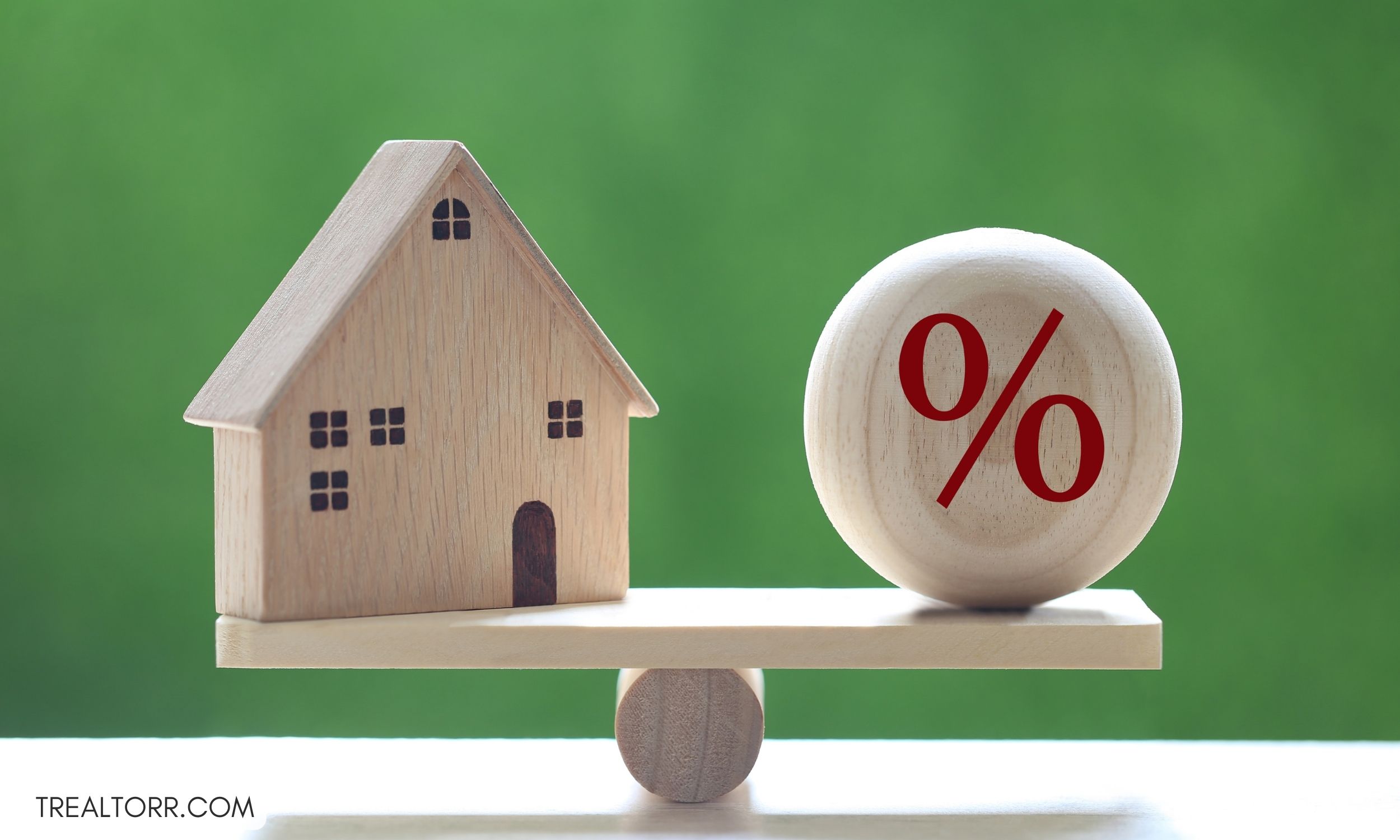
Real estate investing has been a popular option for people who want to build long-term wealth.
However, like any investment, real estate can be affected by interest rates.
Interest rates can influence borrowing costs, buyer demand, property values, cash flow, and the overall profitability of real estate investments.
If you are new to investing, you may also want to read our guide on real estate investment mistakes to avoid.
In this article, we’ll look at how interest rates can affect real estate investors and what to consider before buying a property.
How Interest Rates Affect Real Estate
Interest rates play an important role in the real estate market because many buyers and investors use financing to purchase property.
When rates are lower, borrowing money may be more affordable. This can increase buyer demand and make some investments easier to finance.
When rates are higher, monthly payments may increase. This can reduce affordability, slow buyer demand, and make investment deals harder to justify.
If you are planning to finance a property, review the documents needed for mortgage pre-approval before you start shopping.
Impact on Home Prices and Buyer Demand
The relationship between interest rates and real estate investing can often be seen in the housing market.
When borrowing costs are lower, more buyers may be able to qualify for loans or afford higher purchase prices. This can increase demand for homes.
When borrowing costs are higher, some buyers may pause their search, lower their budget, or wait for better conditions.
This does not mean home prices always move in one direction. Local inventory, job growth, migration, wages, insurance costs, property taxes, and buyer demand also matter.
If mortgage rates are part of your decision, you may also want to read our article on whether mortgage rates may drop.
Impact on Financing Costs
Interest rates also affect the cost of financing an investment property.
When rates are lower, monthly mortgage payments may be lower. This can improve cash flow if the rental income and expenses make sense.
When rates are higher, monthly mortgage payments may rise. This can reduce cash flow and make it harder to earn a positive return.
That is why investors should compare the full numbers before buying, including loan payments, taxes, insurance, repairs, vacancy, utilities, HOA fees, and property management costs.
If you want to compare deal numbers more carefully, read our guide on how to calculate real estate investment ROI.
Impact on Commercial Real Estate
Interest rates can also affect commercial real estate.
When financing is cheaper, businesses and investors may be more willing to buy, expand, or develop commercial properties.
When financing is more expensive, buyers may become more cautious. Higher borrowing costs can lower demand, reduce cash flow, and affect property values.
Commercial properties may also be affected by lease terms, tenant quality, business conditions, local employment, and operating expenses.
If you are comparing commercial deals, you may also want to read how to invest in commercial real estate with no money.
Why Investors Should Watch Rate Changes
Interest rates can change over time, and those changes can affect real estate investment decisions.
If rates rise quickly, some investors may see lower cash flow, weaker buyer demand, or reduced property values.
If rates fall, some buyers may re-enter the market, refinancing may become more attractive, and certain deals may become easier to finance.
However, investors should not rely only on rates. A good deal should still make sense after accounting for expenses, repairs, vacancy, taxes, insurance, and realistic rental income.
For broader housing data, you can review the U.S. Census Bureau new residential sales reports.
Lessons From Past Markets
Past housing cycles show that interest rates can influence buyer behavior, but they are not the only factor behind real estate booms or downturns.
For example, the 2008 housing crisis involved many factors, including lending standards, risky mortgage products, speculation, falling home prices, and broader financial stress.
The COVID-19 period also showed how low rates, remote work, inventory shortages, and buyer demand could affect home prices in many markets.
The lesson for investors is simple: do not assume one factor explains the whole market. Always look at financing, local supply, demand, jobs, rent trends, and risk.
If you want a stronger investment process, read our article on why due diligence matters in real estate investing.
How Investors Can Prepare
Real estate investors can prepare for changing interest rates by being conservative with their numbers.
- Compare multiple loan options before choosing a lender.
- Calculate cash flow using realistic rent and expense assumptions.
- Leave room for repairs, vacancy, insurance increases, and tax changes.
- Avoid overpaying just because a deal looks exciting.
- Understand whether the loan is fixed-rate or adjustable-rate.
- Keep cash reserves for slow months or unexpected repairs.
If you are comparing lenders, read our guide on choosing the best lender for a first-time home buyer.
90,000 US doctors receive our weekly emails
Gain exclusive access to real estate investing tips, the latest news updates, expert advice, and personalized consultations. Subscribe now!
Conclusion
The impact of interest rates on real estate investing can be significant.
Lower rates may improve affordability and cash flow, while higher rates may increase borrowing costs and reduce demand.
However, interest rates are only one part of the investment picture. Investors should also review property condition, location, rent demand, expenses, financing terms, market trends, and exit strategy.
Before buying, run the numbers carefully and make sure the investment still works if rates, expenses, or market conditions change.
🏡 Get Pre-Approved for a Home Loan
Fast, free, and secure — see how much you qualify for.
Get Pre-Approved